

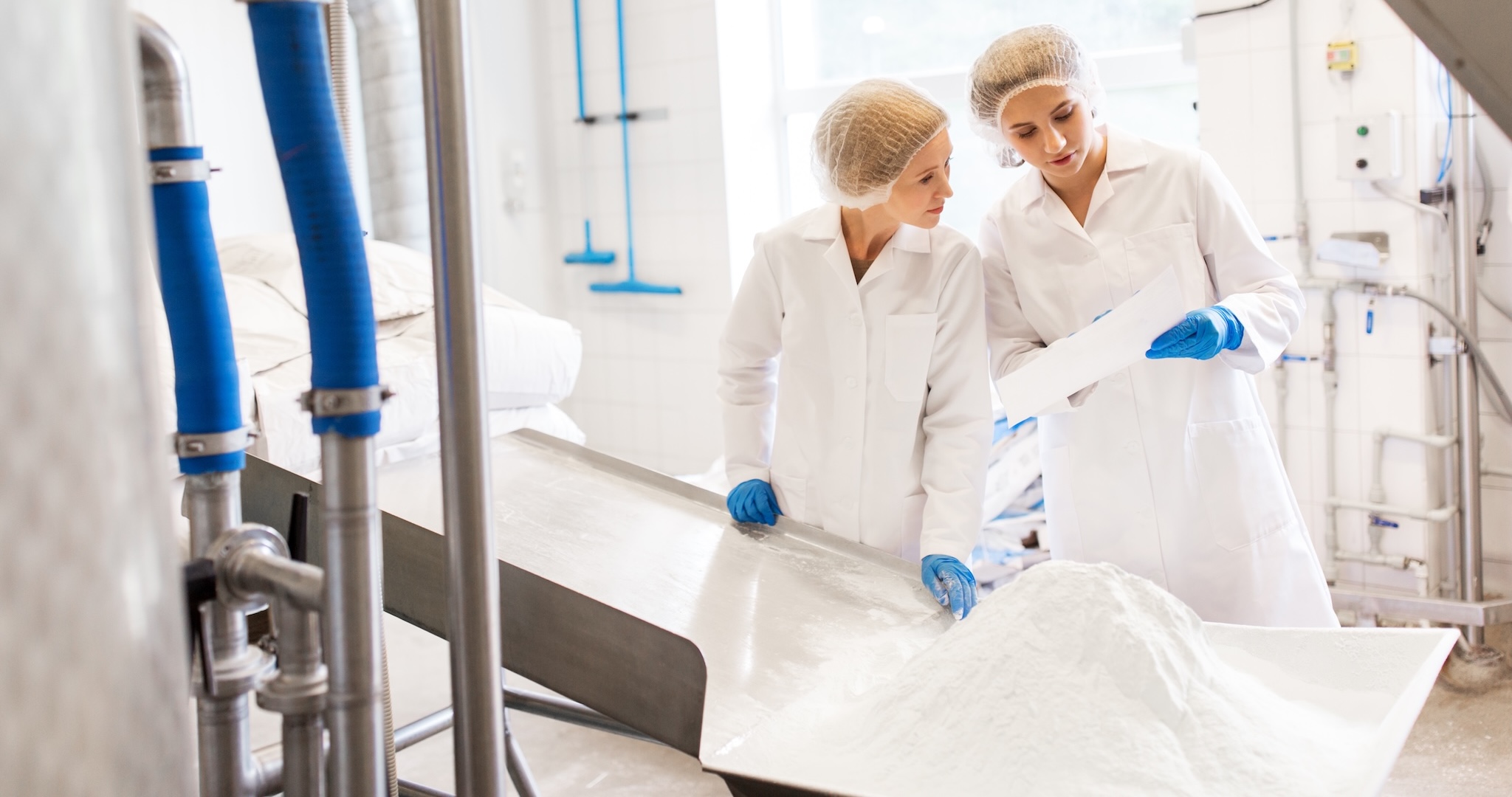
Elevated dust levels in powdered foods production
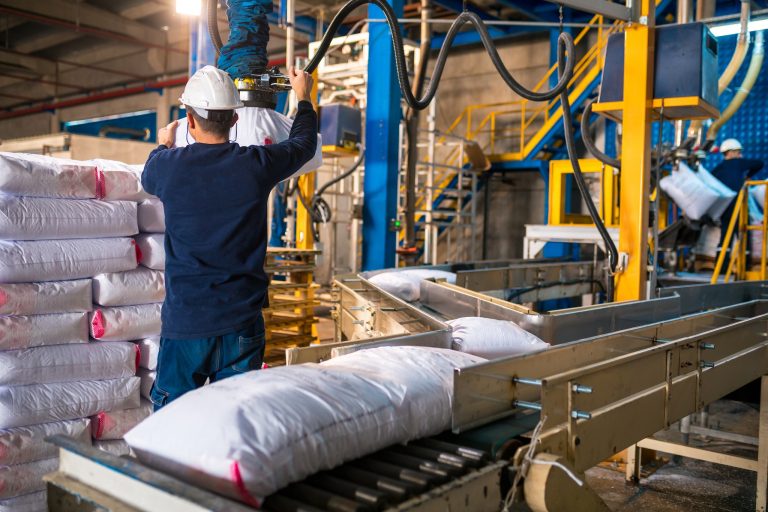
Employees in the production of powdered foods are exposed to high levels of inhalable dust. This is especially true when they perform manual tasks.
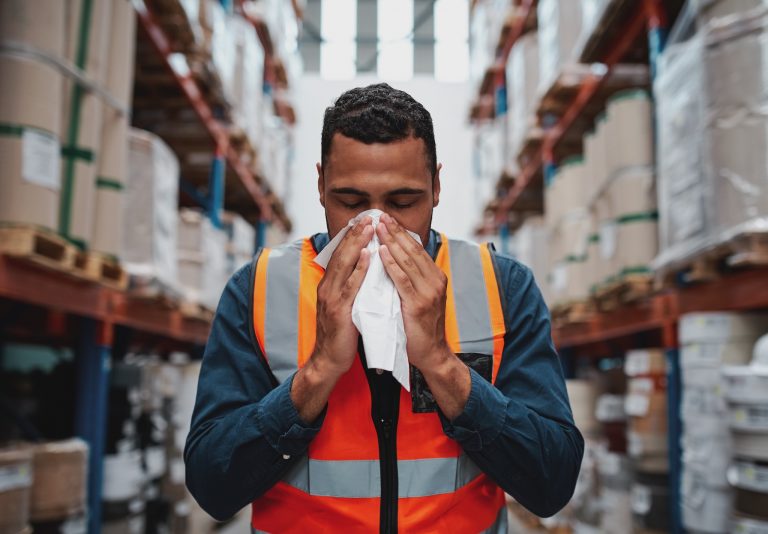
Compared to other occupations, there is a high proportion of employees in the food industry who report having respiratory problems. In addition, operators in the food industry have a higher rate of doctor-certified sick leave due to asthma diagnosis compared to other industries.
Harmful exposure to powdered foods
It is common knowledge that exposure to a carcinogenic substance can be detrimental to health. However, little is known about the fact that exposure to food can be harmful to health. This is one of the reasons why the health effects of producing food have received less attention than exposure to chemical substances that we know are dangerous.
In recent years, more attention has been paid to the fact that food in dust form can lead to allergic reactions, occupational asthma and rhinitis – inflammation of the mucous membrane in the nose.
A study conducted by STAMI showed that there is high exposure to inhalable dust among workers, especially those involved in manual weighing, mixing and adding powdered food. Seasonal variations were also evident. Samples taken in the fall showed higher concentrations of inhalable dust in all departments, compared to the summer.
Examples of components in the dust that can cause health effects are allergens, endotoxins from bacteria and mycotoxins from fungi.
Dust control is important
First and foremost, it is necessary to map exposure to inhalable dust in the food industry. Then, it is important to strengthen measures to protect employees in food production from inhalable dust that can lead to health problems in both the lower and upper respiratory tract.
This may involve measures to reduce dust from certain raw materials and better ventilation. This is especially true for workers who handle powders and dry ingredients. In addition, routines must also be assessed according to the seasons as the risk of exposure changes with them. Read more about dust binding.
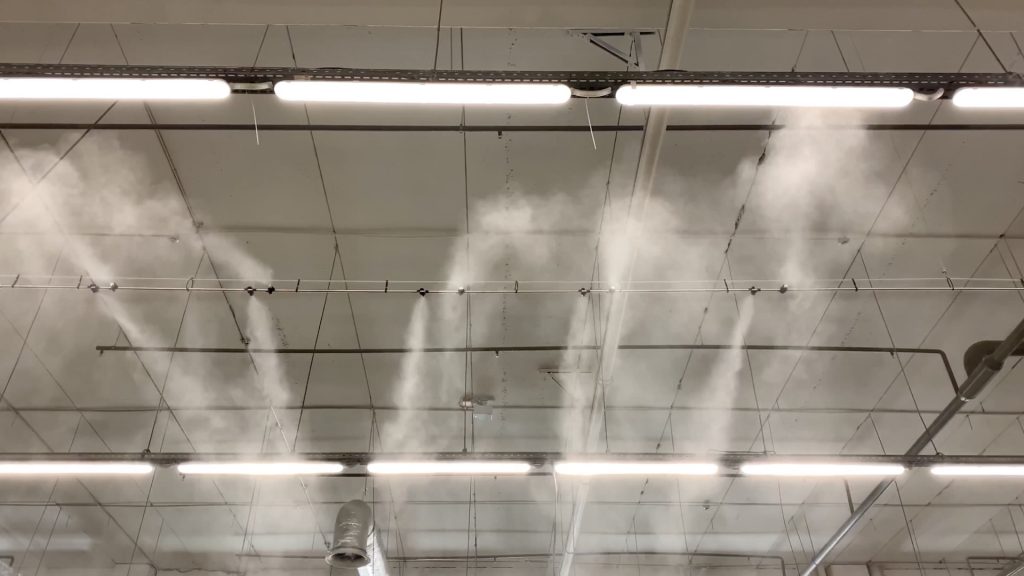
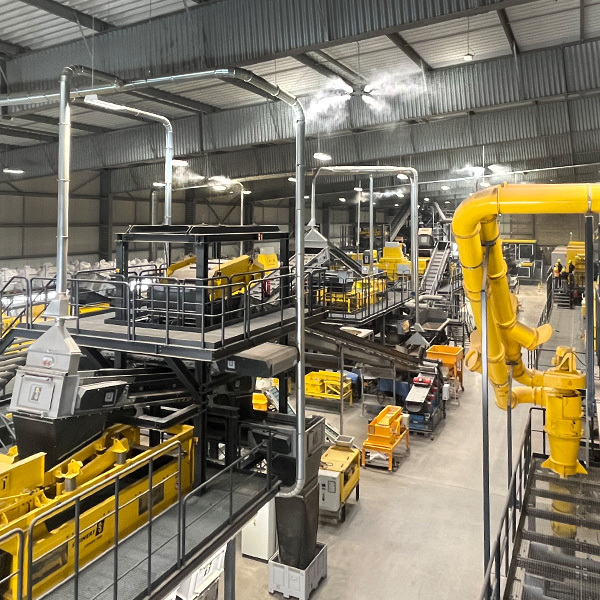
Humidification is an effective method of reducing dust and all types of particles in the air. It is therefore ideal for factories that handle large quantities of powdered food in the production of e.g. baked goods, ready meals and ice cream.
Are you ready to optimize your work environment with better indoor climate and cleaner air?
Klimabefuktning AS will assess which measures are best suited to your company and offer customized solutions for all stages of production.
Relevant source material:
https://www.cdc.gov/niosh/docs/hazardcontrol/hc13.html
https://pmc.ncbi.nlm.nih.gov/articles/PMC7399869/
https://www.cdc.gov/niosh/hhe/reports/pdfs/2009-0131-3171.pdf