

Furniture production and precision wood – why correct humidity is crucial
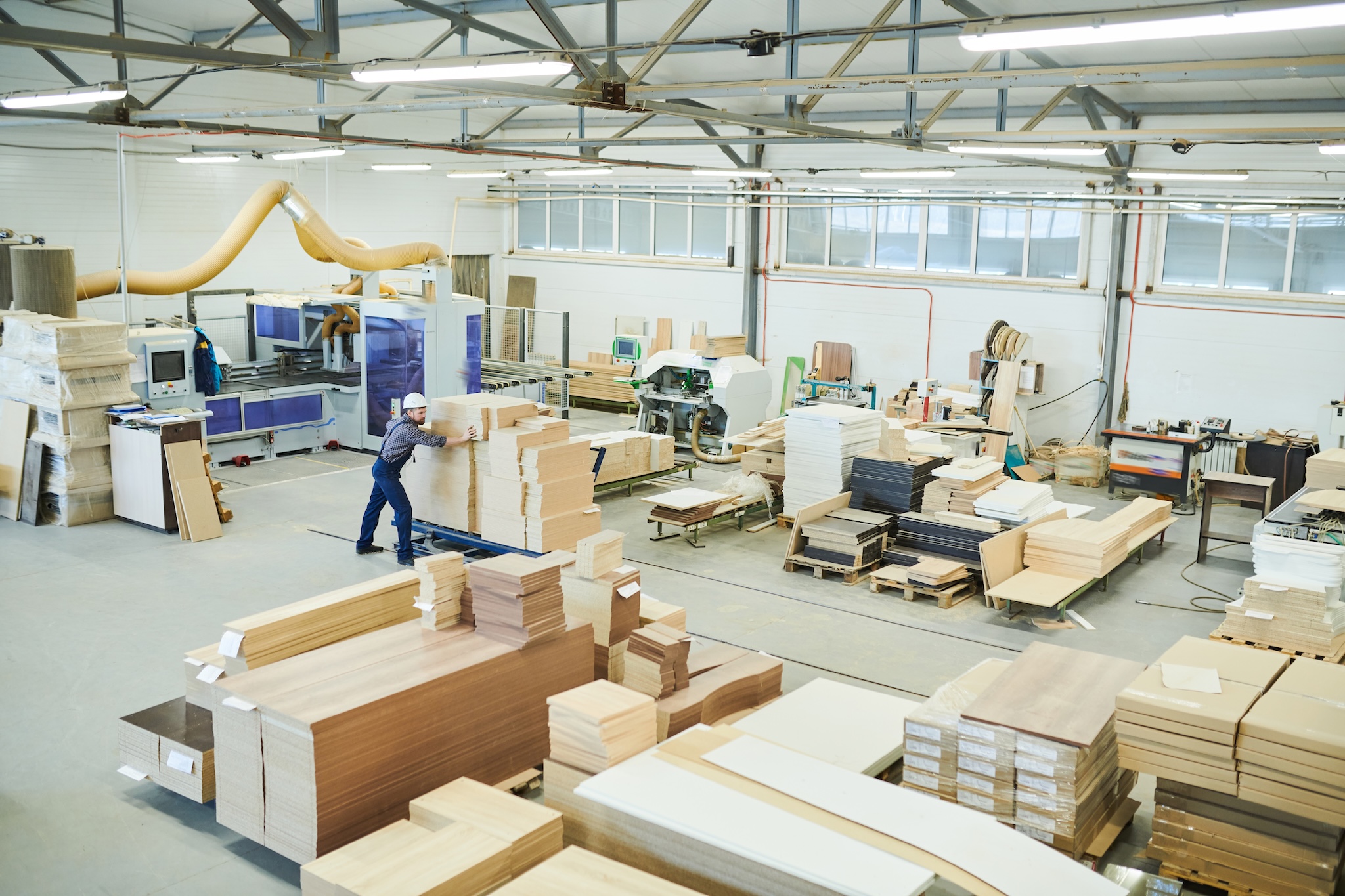
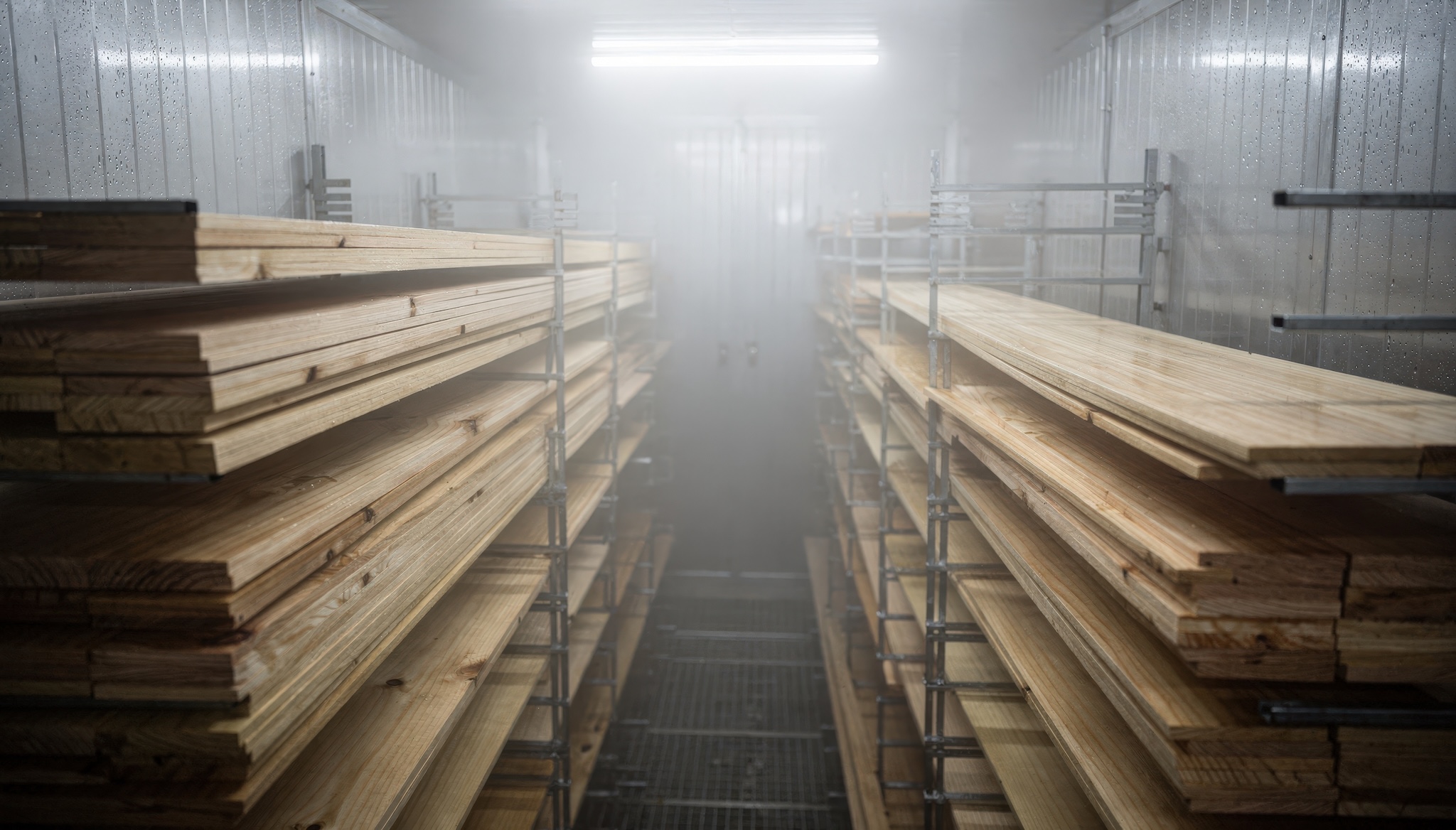
In modern furniture production, where precision requirements are high, stable humidity is a critical factor. When the relative humidity falls below approximately 30-40%, wood can quickly deform. An unstable material is difficult to process accurately, and the result can be quality deviations, production problems and increased wastage.
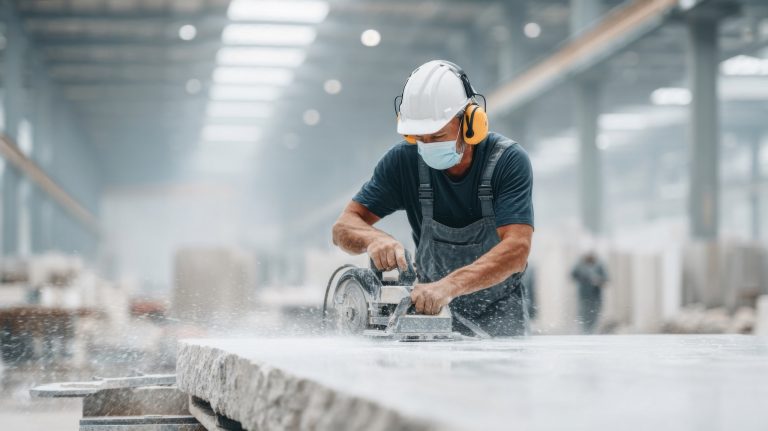
Dry air also leads to increased static electricity and significantly more dust formation. Airborne dust can reduce visibility for employees, affect machine precision and settle on components, ventilation systems, sawing equipment and electronics. In some cases, dust can even interfere with safety systems – for example, by breaking laser sensors that stop machines and lead to unnecessary downtime.
With the right humidity, the particulate matter is reduced where it occurs, preventing chips and dust from spreading in the room. The result is a cleaner production environment, less need for cleaning and better working conditions.
Why does furniture production require stable humidity?
Wood is a hygroscopic material. This means that it continuously absorbs and emits moisture from its surroundings. When the humidity varies, the dimensions of the wood will also change.
If the air is too dry or there are large fluctuations in the climate, this can lead to:
Therefore, stable, correct and predictable humidity is a fundamental requirement to ensure quality and precision in woodworking.
How to control humidity, indoor climate and dust?
In the production of wood-based products, these often pass through several departments with different processes and climate requirements. An effective solution is therefore zone-based humidification.
With zone control, each part of production can be regulated individually using its own sensors. This provides precise control of humidity exactly where it is needed.
This system can:
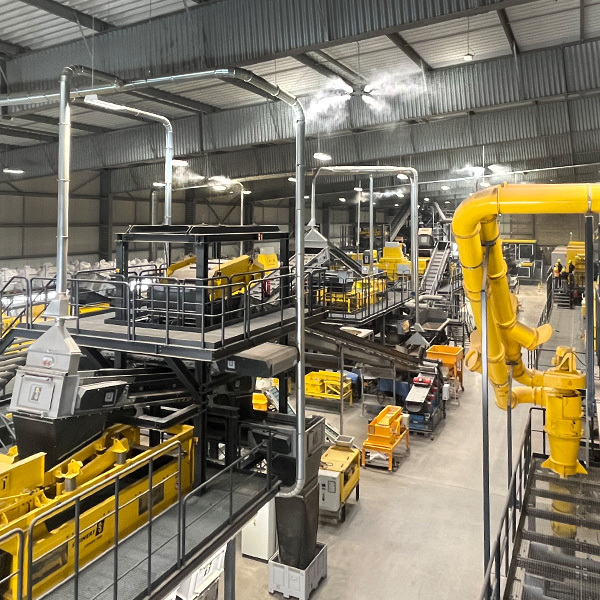
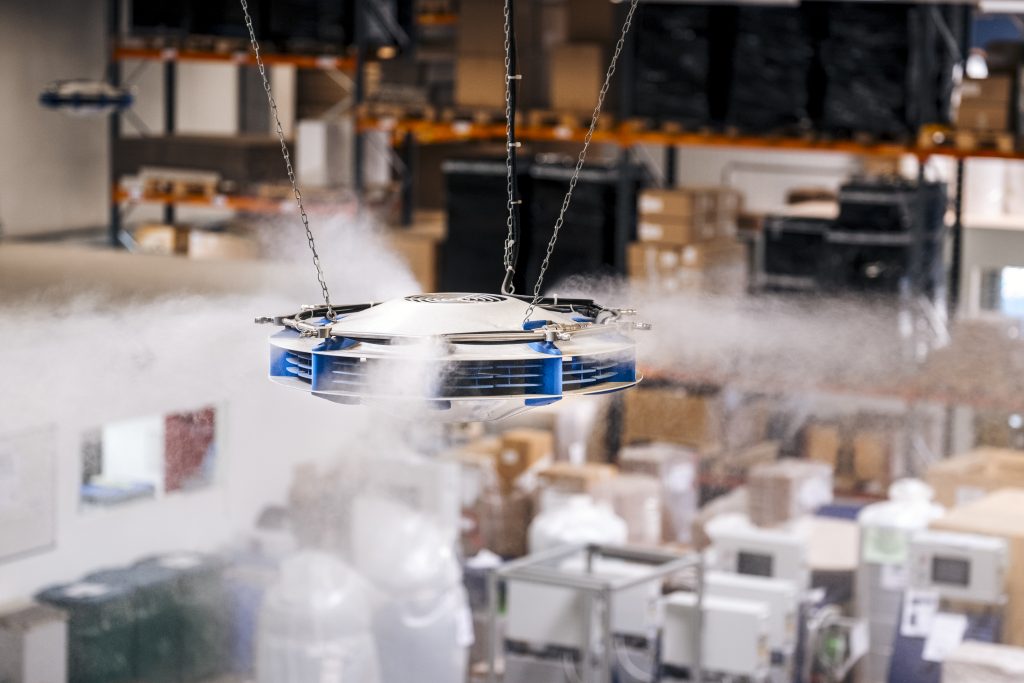
In areas of high dust production, such as saws and milling machines, humidification nozzles can be strategically placed to bind particulate matter at the source.
Stable humidity for better quality and efficient operation
A modern humidification system from Merlin® helps to create a stable production environment that protects materials, machines and employees. Read more about the benefits of humidification.
The result of installing humidification systems is:
An investment in quality and competitiveness
In the furniture industry, precision is crucial. Small variations in climate can have major consequences for both quality and costs.
By ensuring stable humidity, manufacturers gain better control over the entire production process – from raw material to finished product. This not only results in better quality, but also more efficient operations, lower risk and a clear competitive advantage.
Want to know more about how the right humidity can improve production in your factory?
Contact us for a non-binding assessment.
Relevant research articles:
https://pmc.ncbi.nlm.nih.gov/articles/PMC12262046
https://pmc.ncbi.nlm.nih.gov/articles/PMC8664457
https://pmc.ncbi.nlm.nih.gov/articles/PMC7699925